Archive: 2024年6月29日

Innovation and Application of Titanium and Titanium Alloy Smelting Technology

Introduction

Titanium, known for its exceptional strength-to-weight ratio, corrosion resistance, and biocompatibility, has found extensive use across various industries. From aerospace and medical devices to automotive and sports equipment, titanium and its alloys are integral to modern technology. Central to the successful utilization of titanium is its smelting process, which has seen significant innovations over the years. This blog explores the latest advancements in titanium and titanium alloy smelting technology and their applications.

The Evolution of Titanium Smelting

Historically, the Kroll process has been the cornerstone of titanium production. Developed in the 1940s, this method involves reducing titanium tetrachloride (TiCl4) with magnesium in an inert atmosphere. Despite its widespread use, the Kroll process has several limitations, including high energy consumption, lengthy production cycles, and environmental concerns related to magnesium chloride disposal.

Advancements in the Kroll Process

Recent innovations aim to enhance the efficiency and environmental impact of the Kroll process. These include:

Electrochemical Refinement: This method involves the electrochemical reduction of TiCl4, offering higher purity titanium with reduced energy consumption. Research in this area focuses on optimizing electrolyte composition and cell design to scale up production.

Continuous Kroll Process: Modifications to the traditional batch process have led to continuous smelting operations, significantly reducing production time and improving yield.

Emerging Titanium Smelting Technologies

Beyond the Kroll process, several new technologies are revolutionizing titanium smelting:

1. Plasma Arc Melting (PAM)

PAM utilizes a plasma torch to melt titanium feedstock in an inert atmosphere, producing high-purity titanium with fewer impurities. This method is particularly useful for recycling titanium scrap and producing alloys with precise compositions.

2. Electron Beam Melting (EBM)

EBM employs an electron beam to melt titanium powder or scrap in a vacuum. This technology offers excellent control over the alloy composition and microstructure, making it ideal for producing complex components with high performance requirements.

3. Cold Hearth Melting (CHM)

CHM involves melting titanium in a water-cooled copper hearth under vacuum or inert gas. This process helps remove impurities and inclusions, resulting in high-quality titanium ingots suitable for critical applications.

Applications of Advanced Titanium and Titanium Alloy Smelting

The innovations in titanium smelting have opened new avenues for its application across various industries:

Aerospace

The aerospace industry demands materials that offer high strength-to-weight ratios and corrosion resistance. Advanced smelting techniques produce titanium alloys with superior mechanical properties, enhancing the performance and safety of aircraft components.

Medical Devices

Titanium’s biocompatibility makes it ideal for medical implants and devices. Innovations in smelting ensure the production of ultra-pure titanium, reducing the risk of adverse reactions and improving patient outcomes.

Automotive

The push for lightweight materials in the automotive industry has driven the adoption of titanium alloys. Advanced smelting technologies enable the production of cost-effective titanium components, contributing to fuel efficiency and reduced emissions.

Sports Equipment

High-performance sports equipment, such as golf clubs and bicycle frames, benefit from titanium’s unique properties. The ability to produce customized alloys through innovative smelting techniques enhances the performance and durability of these products.

Future Directions

The future of titanium smelting technology is poised for further advancements. Research continues to focus on reducing energy consumption, minimizing environmental impact, and improving the quality of titanium alloys. Collaborative efforts between industry and academia will play a crucial role in developing next-generation smelting technologies.

Conclusion

The innovations in titanium and titanium alloy smelting technology are transforming the material’s application landscape. From aerospace to medical devices, advanced smelting techniques ensure the production of high-quality titanium alloys that meet the stringent demands of modern industries. As research progresses, we can anticipate even more efficient and sustainable methods, further solidifying titanium’s position as a material of choice for the future.
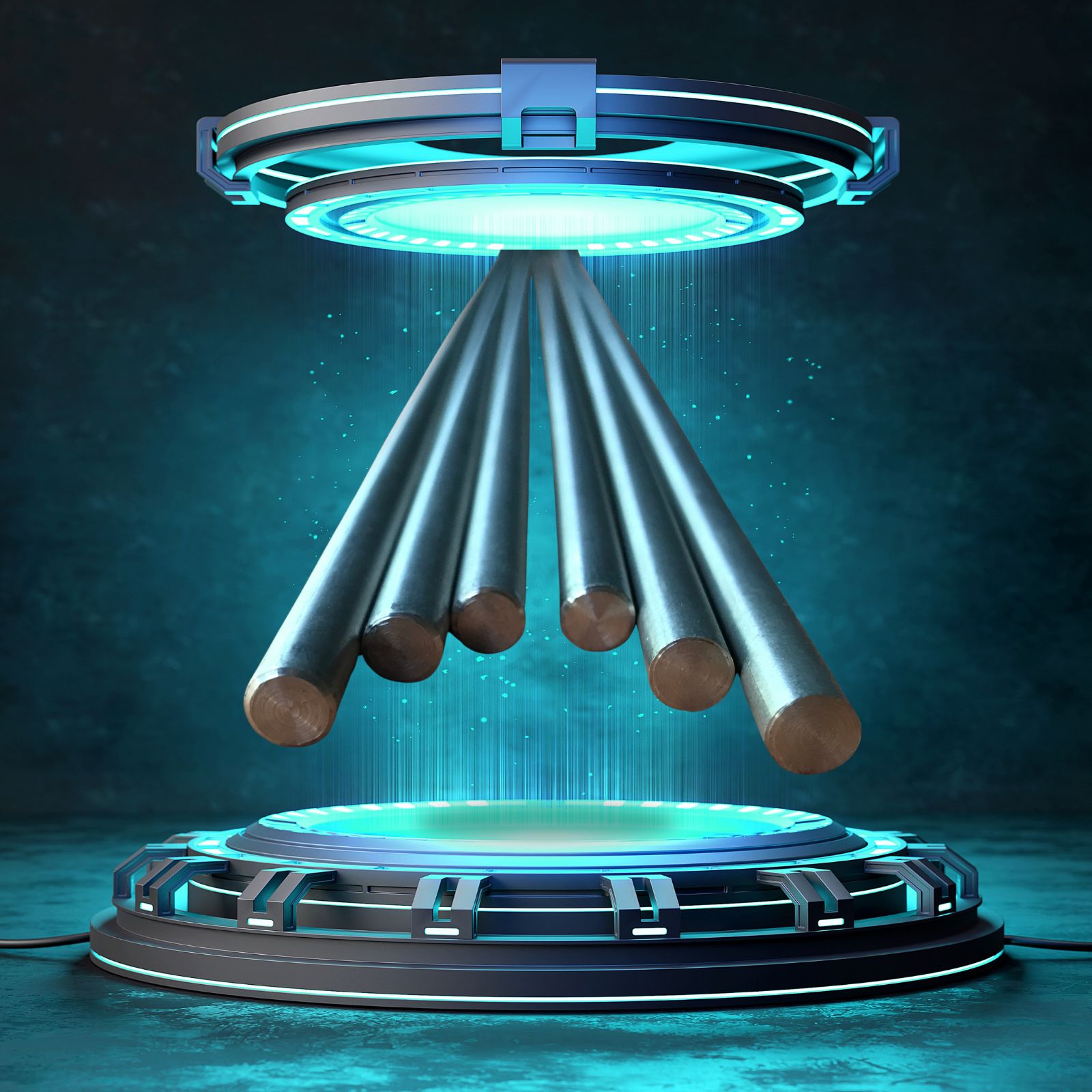
3C Demand Drives Titanium Bar Market Growth, and Orders from Manufacturers Surge

The titanium bar market is experiencing unprecedented growth, driven by the burgeoning demand in the 3C sector—Computers, Communications, and Consumer Electronics. This sector’s rapid expansion is significantly influencing the surge in orders from manufacturers, marking a pivotal moment for the titanium industry. Let’s delve into the factors propelling this growth and its implications for the market.

The Growing Importance of Titanium in 3C

Titanium, known for its high strength-to-weight ratio, corrosion resistance, and biocompatibility, has become an essential material in various industries. In the 3C sector, these properties make it an ideal choice for manufacturing durable, lightweight, and high-performance components.

Computers: With the increasing demand for more powerful and lightweight laptops, tablets, and other computing devices, manufacturers are turning to titanium. Its robustness ensures longevity, while its light weight contributes to the portability of devices.

Communications: The telecommunications industry is rapidly evolving, with a constant need for upgrading infrastructure and devices. Titanium’s strength and resistance to environmental factors make it suitable for use in antennas, satellite components, and other critical communication equipment.

Consumer Electronics: From smartphones to wearable tech, consumer electronics are at the forefront of utilizing titanium. Its aesthetic appeal, combined with its durability, makes it a preferred choice for high-end products. Titanium casings and internal components enhance the longevity and performance of these devices.

Surge in Orders from Manufacturers

The increasing reliance on titanium in the 3C sector has led to a notable surge in orders from manufacturers. Several factors contribute to this trend:

Technological Advancements: The continuous advancement in technology demands materials that can keep up with innovation. Titanium’s properties meet these requirements, leading manufacturers to place bulk orders to ensure a steady supply.

Consumer Expectations: Today’s consumers expect their devices to be not only functional but also durable and stylish. Titanium’s premium look and feel, combined with its practicality, drive manufacturers to incorporate it into their products, resulting in higher order volumes.

Sustainability: As the push for more sustainable and eco-friendly materials intensifies, titanium stands out due to its recyclability and longer lifecycle. Manufacturers aiming to enhance their sustainability credentials are increasingly opting for titanium, boosting market demand.

Market Implications and Future Outlook

The current surge in demand for titanium bars is reshaping the market dynamics. Here are some key implications and future trends:

Price Fluctuations: With increased demand, the price of titanium bars is likely to see fluctuations. While the current trend points towards a rise, the market will need to balance supply to prevent excessive price hikes.

Innovation in Production: To meet the growing demand, manufacturers are investing in innovative production techniques. This includes improving extraction processes, refining manufacturing methods, and enhancing recycling capabilities to ensure a sustainable supply chain.

Expansion into New Markets: While the 3C sector is a significant driver, the rising demand for titanium is also opening opportunities in other industries such as aerospace, automotive, and medical. This diversification will further fuel market growth and stability.

Conclusion

The titanium bar market is experiencing robust growth, primarily driven by the 3C sector’s expanding demand. As manufacturers continue to recognize the benefits of titanium, we can expect sustained market growth, coupled with advancements in production and a wider application of this versatile material. The future of the titanium industry looks promising, with its critical role in driving technological innovation and meeting consumer expectations.

In conclusion, the titanium bar market is witnessing a transformative phase, thanks to the rising demand from the 3C sector. The surge in orders from manufacturers underscores the importance of titanium in modern technology, promising a bright future for this dynamic market.

Titanium: The Ideal Choice Leading the Seawater Desalination Revolution

In the face of increasing global water scarcity, seawater desalination has become an indispensable technology. Titanium, with its exceptional properties, has emerged as the ideal material for revolutionizing the seawater desalination industry. This article delves into why titanium is the perfect choice for this crucial application.

The Challenge of Seawater Desalination

Desalination involves the removal of salt and other impurities from seawater to produce fresh water. The harsh marine environment presents significant challenges, such as high salinity, biofouling, and corrosion. Therefore, the materials used in desalination plants must be robust, corrosion-resistant, and capable of enduring prolonged exposure to seawater.

Why Titanium?

Titanium has become the preferred material in seawater desalination for several compelling reasons:

1. Exceptional Corrosion Resistance

Titanium’s outstanding resistance to corrosion sets it apart from other metals. It forms a passive oxide layer on its surface, protecting it from the corrosive effects of seawater. This results in highly durable components, reducing maintenance costs and extending the lifespan of desalination equipment.

2. High Strength-to-Weight Ratio

Titanium’s high strength-to-weight ratio means it is as strong as steel but much lighter. This allows for the construction of robust yet lightweight components, beneficial for reducing the overall weight and structural demands of desalination plants.

3. Biocompatibility and Non-Toxicity

Titanium is biocompatible and non-toxic, meaning it does not react adversely with marine life or the human body. This makes it an ideal material for use in environments where water quality and environmental impact are critical concerns.

4. Thermal Conductivity

Titanium’s thermal conductivity is sufficient for use in heat exchangers and condensers, vital components in many desalination processes. Its ability to conduct heat efficiently contributes to the overall energy efficiency of the desalination system.

Applications of Titanium in Desalination

1. Heat Exchangers

In thermal desalination processes, such as multi-stage flash distillation, heat exchangers transfer heat between fluids. Titanium’s corrosion resistance and thermal conductivity make it an excellent material for heat exchanger tubes and plates, ensuring long-term performance and reliability.

2. Pumps and Valves

Pumps and valves in desalination plants must withstand constant exposure to seawater and high pressures. Titanium’s strength and resistance to corrosion make it an ideal choice for these components, ensuring efficient and reliable operation.

3. Reverse Osmosis Systems

In reverse osmosis desalination, seawater is forced through a semi-permeable membrane to remove salt and impurities. Titanium is used in high-pressure pumps and piping systems due to its ability to withstand the extreme pressures and corrosive nature of seawater.

4. Intake and Outfall Structures

The structures used to intake seawater and discharge brine back into the ocean are constantly exposed to marine conditions. Titanium’s durability and resistance to biofouling make it a suitable material for these critical components.

Conclusion

The application of titanium materials in seawater desalination represents a significant advancement in addressing the challenges of producing fresh water from seawater. Its exceptional properties, including corrosion resistance, high strength-to-weight ratio, biocompatibility, and thermal conductivity, make it an ideal material for various components in desalination plants. As the demand for fresh water continues to grow, the use of titanium in desalination technologies will play a crucial role in ensuring a sustainable and reliable supply of potable water.

By investing in titanium-based solutions, the desalination industry can enhance the efficiency, durability, and environmental compatibility of its operations, ultimately contributing to a more water-secure future.

Common Processing Methods for Titanium and Titanium Alloys

Titanium and its alloys are renowned for their exceptional strength, lightweight nature, and corrosion resistance, making them invaluable in industries ranging from aerospace and automotive to medical devices and chemical processing. To leverage these properties effectively, understanding the various processing methods for titanium and titanium alloys is essential. This blog delves into the common processing methods, highlighting their principles, applications, and advantages.

1. Casting

Principles

Casting involves pouring molten titanium into a mold to achieve a desired shape. This process can be challenging due to titanium’s high melting point (approximately 1668°C) and reactivity with oxygen, nitrogen, and hydrogen at elevated temperatures.

Applications

  • Aerospace Components: Jet engine parts, structural components.
  • Medical Implants: Custom-shaped implants and prosthetics.

Advantages

  • Complex Shapes: Ability to produce intricate and complex geometries.
  • Reduced Material Waste: Efficient material usage compared to machining from solid blocks.

2. Forging

Principles

Forging involves deforming titanium and its alloys under high pressure, usually at elevated temperatures, to enhance mechanical properties such as strength and fatigue resistance. Common forging techniques include open-die forging, closed-die forging, and isothermal forging.

Applications

  • Aerospace Components: Landing gear, engine parts.
  • Automotive Industry: High-performance engine parts, suspension components.

Advantages

  • Improved Mechanical Properties: Enhanced strength and toughness.
  • Directional Grain Flow: Results in better fatigue resistance and structural integrity.

3. Rolling

Principles

Rolling transforms titanium billets into sheets, plates, or strips by passing them through a series of rollers. This can be done at high temperatures (hot rolling) or room temperature (cold rolling).

Applications

  • Aircraft Panels: Fuselage skins, wing panels.
  • Marine Applications: Corrosion-resistant hulls and structures.

Advantages

  • Uniform Thickness: Consistent material properties across large areas.
  • Surface Finish: Improved surface quality, especially with cold rolling.

4. Powder Metallurgy

Principles

Powder metallurgy involves compacting titanium powder into a desired shape and then sintering it at high temperatures to bond the particles together. This method allows for precise control over the composition and properties of the final product.

Applications

  • Biomedical Devices: Porous structures for bone ingrowth.
  • High-Performance Components: Parts requiring specific material properties.

Advantages

  • Complex Geometries: Ability to produce intricate and precise shapes.
  • Material Efficiency: Minimal waste and potential for recycling unused powder.

5. Additive Manufacturing (3D Printing)

Principles

Additive manufacturing, or 3D printing, builds titanium parts layer by layer from a digital model. Techniques like selective laser melting (SLM) and electron beam melting (EBM) are commonly used.

Applications

  • Customized Implants: Patient-specific medical implants.
  • Aerospace Components: Lightweight, optimized structures.

Advantages

  • Design Flexibility: Freedom to create complex and optimized designs.
  • Rapid Prototyping: Quick turnaround from design to physical part.

6. Machining

Principles

Machining involves removing material from a solid titanium workpiece using cutting tools. Common machining processes include milling, turning, drilling, and grinding.

Applications

  • Precision Components: High-tolerance aerospace and automotive parts.
  • Medical Instruments: Surgical tools and devices.

Advantages

  • Precision: High dimensional accuracy and fine surface finishes.
  • Versatility: Applicable to a wide range of part sizes and shapes.

Conclusion

Titanium and its alloys offer unmatched properties for demanding applications, and the choice of processing method plays a crucial role in maximizing these benefits. From casting to additive manufacturing, each method has its unique advantages and is suited to specific applications. Understanding these processing methods helps manufacturers select the best approach to meet their performance, cost, and design requirements, ensuring the optimal use of titanium’s remarkable properties.